Marine biology meets environmental education at this remarkable research center in Southern Italy.
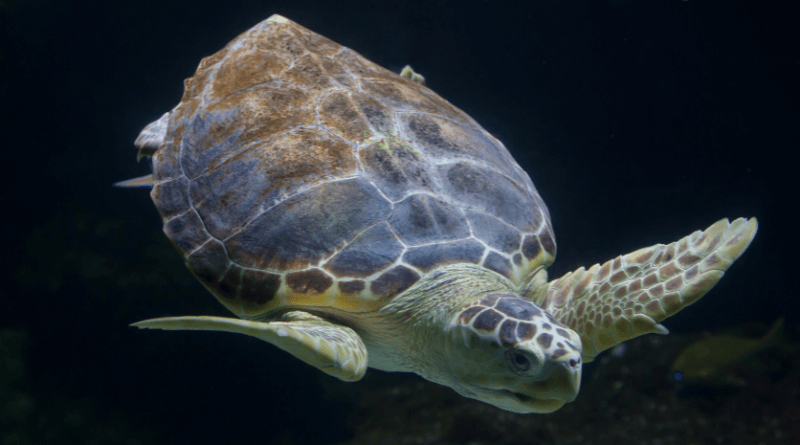
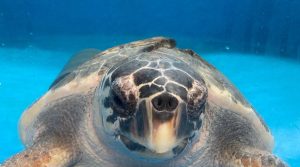
Nestled along the coast of Portici, just a few kilometers from Naples, lies a unique marine facility that combines scientific research, animal rescue, and public education. Turtle Point is a vital center dedicated to the rescue, rehabilitation, and release of sea turtles, particularly the loggerhead turtle (Caretta caretta), which often faces threats from fishing, pollution, and climate change.
The Mission of Turtle Point
The core mission of Turtle Point is threefold:
-
Rescue and Recovery: Injured or stranded sea turtles are brought here to receive medical treatment and monitoring.
-
Research and Conservation: Scientists study the behavior, migration, and health of sea turtles to better understand how to protect them.
-
Public Engagement: Visitors—especially school groups—are invited to learn about marine life, plastic pollution, and biodiversity through hands-on experiences.
Housed within a historic Bourbon-era building once used for royal maritime activities, the facility is run by the Zoological Station Anton Dohrn and supported by international conservation bodies.
A Day at the Center
Visiting the center, we will meet Andrea Affuso, the coordinator of the Turtle Point center, who will tell us the story of this place.
The Turtle Point center belongs to the Foundation of the Zoological Station, founded in Naples in 1872 by the will of biologist Anton Dohrn. The scholar chose this location due to the great biological richness of the Mediterranean Sea and the opportunity to develop a research institute of significant international importance in a city that itself has an international vocation and considerable size.
Today, the Turtle Point center is a fully equipped veterinary hospital where rescued turtles arrive after being injured or ill, with the goal of treating and rehabilitating them so they can return to their wild life as soon as possible.
Most of the sea turtles that arrive at the center suffer from conditions caused by human activities.
In 2024, for instance, Federico was one of the turtles admitted to the center. He arrived with a deep shell wound caused by a boat propeller, which resulted in a severe fracture. His recovery took a long time, but Federico eventually healed well.
Then came Giulia, who had swallowed a large fishing hook. Fortunately, it was removed quite easily, allowing Giulia to return to the wild quickly.
Sandra Hochscheid, a researcher at the Anton Dohrn Zoological Station, explains that in many parts of the world, sea turtles are threatened due to human activities. This makes it essential to have specialized centers like this one, dedicated to the care and protection of these animals.
Life TurtleNest Program
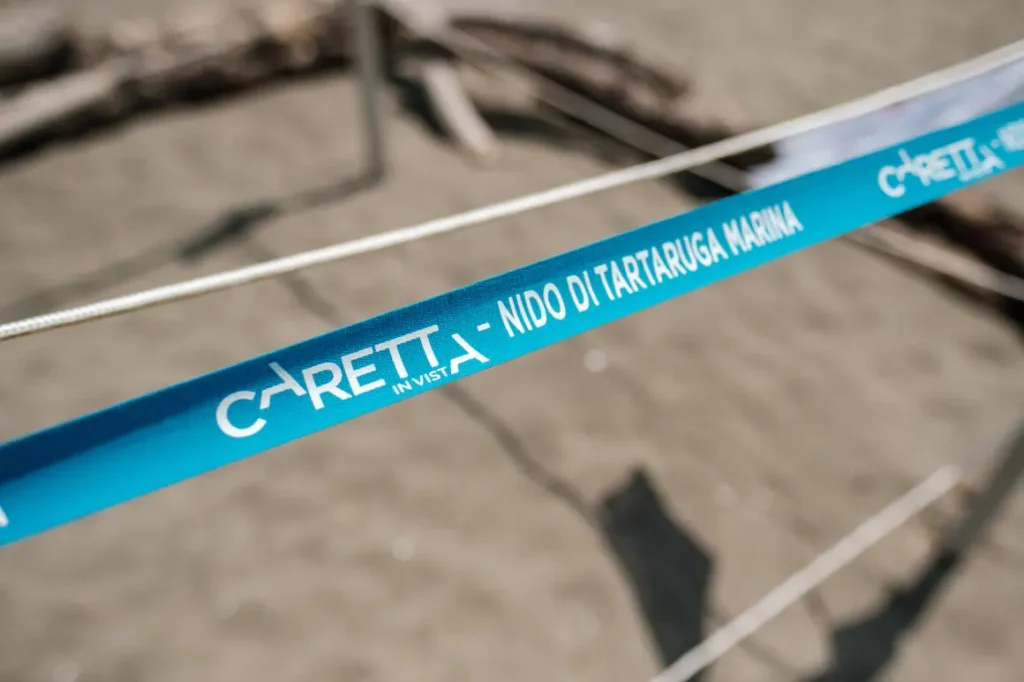
Since 1992, the Life Program, funded by the European Union, has been active. Within this framework, the Life TurtleNest project was launched along the coasts of Italy, France, and Spain. Its goal is to create an international network to protect the nesting sites of the Caretta caretta sea turtle and to mitigate human impacts on beaches and shores where nesting occurs.
Thanks to the Life TurtleNest project, we may witness a new colonization of turtles returning to this part of the Mediterranean. The Anton Dohrn Zoological Station collaborates with associations and volunteers who provide crucial support throughout the Campania region, making their widespread presence incredibly important.
For example, the volunteers of the Domizia Association built a tunnel to help newborn turtles reach the sea more easily.
In 2024, in Castel Volturno, in the province of Caserta, fifteen sea turtle nests were recorded, and hundreds of hatchlings successfully made their way to the sea—considering that each nest contains about 50-60 hatchlings that will eventually emerge.
References
ISPRA, Progetto LIFE TURTLENEST, website.
Legambiente, Life Turtlenest, website.
Xeni Symeonidou, Meeting the turtles of Portici Turtle Point, 2022.
Le Sentinelle Onlus, Domizia. La Tartaruga del Litorale Domizio, 2021.